FREE Large Luxe Tote Bag worth $45 OR Belly Hydration Mask with orders over $85.
What nobody tells you about the first moments after birth...
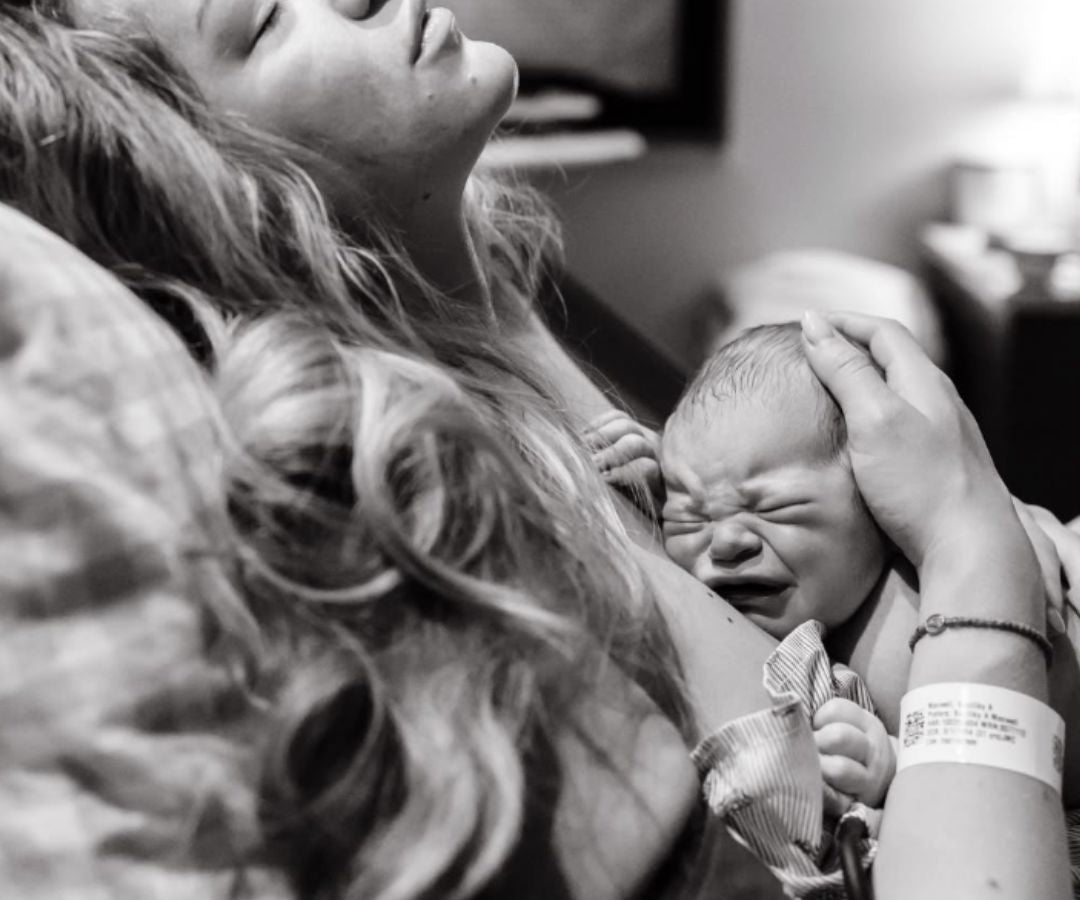
Delivering the placenta, after-birth pains, and how to support your body through those first raw, tender hours.
You've crossed the finish line, except birth isn't really a finish line. It's a threshold. And the moments immediately after your baby arrives are extraordinary, strange, tender, and often nothing like anyone warned you about.
Because your body still has work to do, and you deserve to know exactly what that looks like.
STAGE THREE OF LABOR: DELIVERING THE PLACENTA
Most people know about the two stages of labour: contractions and then pushing. But there's a third stage that surprises many, delivering the placenta, the organ that sustained your baby throughout pregnancy.
After your baby is born, your uterus continues to contract. These contractions separate the placenta from the uterine wall and push it out. Depending on whether you've had an injection of oxytocin (a managed third stage) or opted for a physiological birth, this can take anywhere from a few minutes to 30–60 minutes.
You'll likely be asked to push gently, or to breastfeed, which triggers natural oxytocin release and helps the process along. Most people describe the sensation as much milder than delivering the baby: a soft pressure and then release, but for others, this can sometime be comparable to labor contractions.
Your leading maternity carer will examine the placenta to ensure it has come away whole. This is important, as any retained fragments can cause bleeding or infection. If any pieces remain, further medical support will be offered. This is one reason your care team stays close in those first moments.
What to expect
+ Delivery usually occurs within 5–30 minutes, or up to an hour physiologically.
+ Some blood loss is normal, your team is monitoring this closely.
+ Breastfeeding or skin-to-skin contact helps stimulate oxytocin and supports the process.
+ If the placenta doesn't deliver within the expected timeframe, your care team will guide you.

AFTER-BIRTH PAINS and why they surprise everyone
Once the placenta is delivered, your uterus begins the process of contracting back to its pre-pregnancy size, a process called involution. For many people, especially those who have given birth before, these contractions are felt intensely as afterpains.
They can feel surprisingly strong, wave-like and crampy, similar to period pain but more intense. They're often triggered by breastfeeding (again, that oxytocin connection). First-time mothers tend to experience them more mildly; with subsequent births they become more pronounced, as the uterus has to work harder to contract efficiently.
Afterpains typically peak over the first 24–72 hours and ease over the following week.
YOUR PERINEUM AND STITCHES
Whether you've had a tear, an episiotomy, or come through with your perineum intact, the area will be tender. Swelling, stinging when urinating, and general soreness are all very normal in the days after birth.
Keeping the area clean and calm is essential. Gentle rinsing with warm water when you go to the toilet (a peri bottle is your best friend), air-drying when possible, and avoiding anything harsh or fragranced will make a real difference.
BEGINNING TO BREASTFEED (IF YOU CHOOSE TO OR ARE ABLE)
In those first hours, your breasts begin producing colostrum, the thick, golden first milk that is extraordinarily rich in antibodies and exactly what your newborn needs. Many mothers find their nipples are sensitive or sore in the early days as feeding is established.
Getting a good latch from the outset makes an enormous difference. Your midwife or a lactation consultant can help with positioning, don't hesitate to ask as many times as you need to.
THE EMOTIONAL LANDSCAPE OF THOSE FIRST HOURS
After birth, your hormone levels shift dramatically. Progesterone and oestrogen drop rapidly, while oxytocin and prolactin surge. This can create a cocktail of emotions that feels overwhelming, confusing, and beautiful all at once.
Many people experience the "baby blues" in the first few days: tearfulness, mood swings, or feeling raw and tender emotionally. This is extremely common and typically resolves within a week or two.
Practical things that help in those first hours and days:
+ Stay hydrated, breastfeeding and recovery both increase your fluid needs significantly.
+ Rest when you can, even if sleep feels impossible, horizontal time matters.
+ Eat nourishing, easy-to-digest food: soups, warm meals, and iron-rich foods.
+ Use your Magnesium Body Rub on legs, lower back, and abdomen to ease muscle tension.
+ Use your Post Birth Spray as needed for perineal comfort.
+ Keep Nipple Butter within arm's reach and apply after every feed.
+ Accept help. This is not the time to do it all yourself.
+ Be gentle with your self-expectations. Your body has just done something extraordinary.

WHEN TO CALL YOUR CARE TEAM
While everything above is within the range of normal postpartum experience, some signs warrant prompt attention. Contact your lead maternity carer, or emergency services if you experience heavy bleeding (soaking more than one pad per hour), signs of infection (fever, foul-smelling discharge, increasing pain), difficulty breathing, chest pain, or severe headache.
Your recovery matters. You matter, not just as a new parent, but as a person who has just moved mountains.
This article is for informational purposes only and is not a substitute for professional medical advice. Always consult your midwife, lead maternity carer, or GP with any concerns about your postpartum health.